Top 10 Automotive Blinker Manufacturers in Germany | R J Plast

Automotive Blinker manufacturers in Germany | R J Plast
whatsapp-now
enquire-now

R J Plast is a well-known name among Automotive Blinker Manufacturers in Germany. We are trusted Suppliers, Dealers, Traders and Exporters in Germany. We concentrate on supplying dependable automotive components that answer the changing demands of the automotive industry.

Our approach brings together quality-driven production, practical designs, and competitive pricing for businesses looking for reliable lighting components. We know how much durability, precision, and steady performance count in automotive applications, which is why we stress suitable materials and careful production methods.

With our production capabilities and customer-focused approach, we aim to serve varied industry needs while keeping products consistent and valuable. We strive to build lasting business relationships by offering dependable solutions that support vehicle safety, function, and long-term performance.

What Is an Automotive Blinker and Why Is It Important for Vehicle Safety?

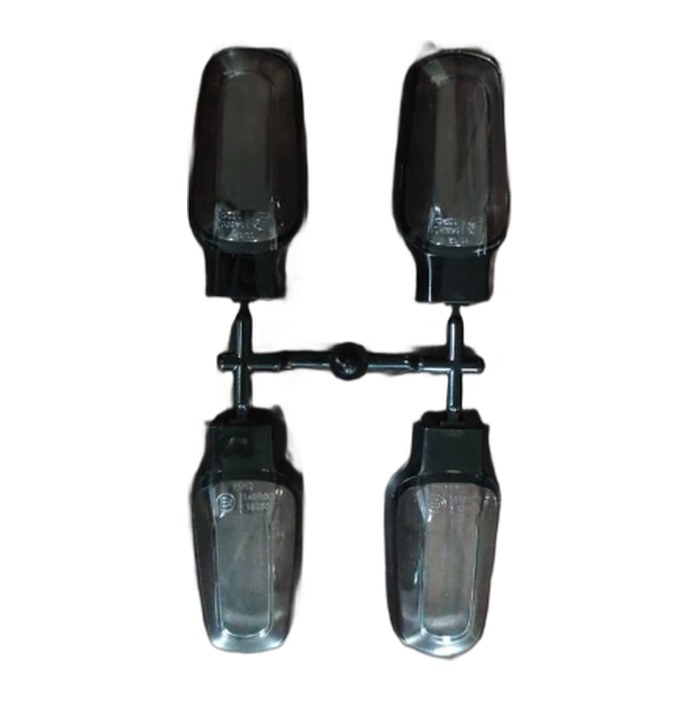
An automotive blinker is a key vehicle lighting component that signals turning and lane-change intentions to other road users. Often called a car blinker (or Blinker in German), it raises visibility and supports safer driving in varied traffic conditions. Used across passenger vehicles and commercial transport, this component plays a major part in road safety, vehicle design, and clear traffic communication.

Automotive Blinker Service Providers in Germany

We concentrate on supplying quality-driven automotive components with practical designs, competitive pricing, and customer-oriented service.

  • Automotive Component Manufacturing: We produce automotive plastic components with attention to material quality and production consistency.
  • Customized Solutions: We support specific design and dimensional requirements within our manufacturing capabilities.
  • Quality Assurance: We stress consistent production processes and suitable quality checks.
  • Customer Support: We aim to offer economical solutions that meet automotive industry needs and build lasting business relationships.

Types of Automotive Blinker

As Automotive Blinker Manufacturers, Suppliers, Dealers, Traders and Exporters in Germany, we share insight into different blinker designs, lighting technologies, and vehicle applications to help customers find suitable solutions.

  • 1. Types by Placement and Design
    • a) Front and Rear Corner Indicators: A front indicator and rear indicator signal turning intentions to other road users through clearly visible signals that comply with applicable lighting regulations such as the StVZO and ECE rules.
    • b) Side Repeater Indicators: A side indicator fitted on the fender, side panel, or door pillar makes the signal easier to see from different angles.
    • c) Side-Mirror Indicators: An integrated mirror indicator adds directional signalling for nearby traffic during turns and lane changes.
    • d) Sequential Turn Signals: A sequential indicator lights its LED segments one after another, creating a flowing effect that shows the intended direction. A dynamic turn signal uses this progressive lighting to lift the look of modern vehicle indicators.
    • e) Semaphore or Mechanical Indicators: These old-style signalling arms swing out from vintage vehicles to show turns without modern flashing lamps.
  • 2. Types by Flasher Relay Technology
    • a) Thermal Flashers: A thermal flasher relay uses a heat-sensitive bimetallic strip to open and close the circuit again and again, producing a regular blinking rhythm.
    • b) Electromechanical Flashers: These units pair electrical coils with mechanical switching parts to control flashing in compatible vehicle lighting systems.
    • c) Electronic or Solid-State Flashers: Electronic circuits govern the flashing cycle for consistent timing and reliable operation under suitable electrical conditions.
    • d) LED-Compatible Flashers: An LED flasher is made for low-power LED lighting systems and can help avoid hyper-flashing when it matches the vehicle's electrical set-up.
  • 3. Types by Light Source
    • a) Incandescent Bulb Blinker: A conventional blinker bulb produces light from a heated filament and gives an economical option for vehicles built for traditional lighting systems.
    • b) Halogen Blinker: This filament-based lamp uses halogen gas to support light output and filament performance, depending on the vehicle's original lighting design.
    • c) LED Automotive Blinker: An LED blinker uses light-emitting diodes for efficient illumination, lower power draw, and a modern look.
    • d) Amber Automotive Blinker: An amber blinker gives an amber directional signal where required or specified by applicable vehicle lighting regulations. An ECE R6 indicator is a direction indicator linked to the relevant ECE lighting approval requirements, which are recognised across Germany and the EU.

Technical Specifications of Automotive Blinker

As Automotive Blinker Suppliers, Manufacturers, Dealers, Traders and Exporters in Germany, we focus on essential technical parameters to help customers understand product compatibility, material options, and performance requirements.

Technical Parameter Specification / Description
Operating Voltage Typically 12V DC for passenger vehicles and 24V DC for many commercial vehicles; charging voltage varies.
Voltage Range Depends on the product design and vehicle electrical system.
Flashing Frequency Generally 60–120 flashes per minute, subject to regulations.
Power Consumption Incandescent bulbs: roughly 15–36W; LEDs typically use less.
Operating Temperature Commonly −20°C to +55°C or wider, depending on design.
Front Signal Colour Typically amber, subject to regional regulations.
Rear Signal Colour Amber or red, depending on applicable regulations.
Side Indicator Colour Generally amber for lateral signalling.
Light Source Incandescent, halogen, or LED.
Housing Material ABS plastic, polycarbonate, or automotive-grade polymers.
Lens Material Optical-grade polycarbonate or other suitable materials.
Ingress Protection May include IP67 protection if specifically designed and tested.
Flashing Control Electronic flasher relay or Body Control Module (BCM).
Type Approval E-mark / ECE approval and KBA requirements apply to road-legal lamps, depending on the product.
Viewing Angle Depends on lamp design, installation, and applicable standards.
Electrical Connection Compatible wiring harness, terminals, or plug-in connector.
Maintenance Requirements Check light output, wiring, lens condition, and seals regularly.

Key Features of Automotive Blinker

As Automotive Blinker Dealers, Suppliers, Manufacturers, Traders and Exporters in Germany, we put weight on practical design, material quality, reliable construction, and functional features to meet diverse automotive component needs.

  • Clear Signal Visibility: A well-designed turn signal lamp gives a recognisable directional signal so other road users can anticipate vehicle movements.
  • Durable Plastic Construction: A sturdy blinker housing protects the inner components and supports reliable performance under normal automotive operating conditions.
  • Efficient LED Technology: An LED blinker offers lower power use and a modern lighting look compared with conventional bulb-based options.
  • Secure Mounting Design: A properly designed blinker bracket supports stable installation and keeps the lamp in the correct position.
  • Protective Lens Assembly: A durable blinker lens spreads light effectively while shielding the light source from outside exposure. A compatible blinker gasket can also seal the assembly against moisture and dust.

Benefits of Automotive Blinker

As Automotive Blinker Traders, Dealers, Suppliers, Manufacturers and Exporters in Germany, we recognise the value of dependable signalling components in supporting road safety, visibility, energy efficiency, and vehicle function.

  • Improved Road Safety: A clearly visible indicator lamp communicates turning intentions and supports safer interaction between road users.
  • Better Traffic Communication: Properly placed indicators help nearby drivers notice lane changes and turning movements in dense traffic.
  • Reduced Energy Consumption: Compatible LED signal lamps draw less electrical power than many traditional incandescent alternatives.
  • Convenient Maintenance: A suitable blinker replacement restores signalling function when an existing lamp is damaged or stops working.
  • Versatile Vehicle Compatibility: Different indicator designs suit various vehicle types when their electrical specifications and mounting needs match. A universal blinker may fit multiple applications when its electrical ratings, mounting dimensions, and regulatory requirements are compatible.

Applications of Automotive Blinker

As Automotive Blinker Exporters, Traders, Dealers, Suppliers and Manufacturers in Germany, we serve varied automotive industry needs by understanding the signalling requirements of passenger vehicles, commercial transport, and two-wheelers.

  • Passenger Cars: A car blinker signals turning intentions and lane changes to surrounding vehicles in everyday driving.
  • Commercial Trucks: Durable signal lamps let truck drivers show directional movements during freight and delivery operations.
  • Public Transport Buses: Properly installed indicators warn nearby traffic when buses turn, merge, or pull away from stops.
  • Trailers: Compatible signal lamps show turning and braking-related intentions where the trailer's lighting configuration requires it.
  • Two-Wheelers: A motorcycle blinker lets riders signal turns and lane changes to improve visibility in surrounding traffic.
  • Side-Mounted Signaling: A side indicator improves directional signal visibility for road users approaching from the side.
  • Mirror-Integrated Lighting: A mirror indicator adds signalling visibility during lane changes and turning manoeuvres.
  • Hazard Warning Applications: A hazard blinker warns other road users of a stationary vehicle or a possible roadside obstruction. These applications cover two-wheelers as well as cars and commercial vehicles.

Why Choose Us?

  • Precision Plastic Manufacturing: We specialize in precision plastic moulding, with attention to dimensional accuracy and consistent quality to meet automotive component needs.
  • Quality-Certified Processes: Our ISO 9001:2015-certified quality management system shows our commitment to steady standards and continuous improvement.
  • End-to-End Manufacturing Support: We assist customers through the whole manufacturing process, from first design to final production, with focus on specifications, dependable service, and timely delivery.

Choose R J Plast is a trusted name among Automotive Blinker Manufacturers in Germany. We are trusted Suppliers, Dealers, Traders and Exporters in Germany. We are dedicated to supporting the automotive industry with precision-engineered plastic components, quality-focused manufacturing, and competitive solutions. We work closely with our customers to understand their needs and deliver steady value through reliable production practices, technical expertise, and a customer-first approach. Contact us for further information.

FAQ's

A car blinker works through an electrical circuit managed by a flasher unit or vehicle control module. It turns the indicator lamp on and off at regular intervals to show direction. The driver triggers the system with a turn signal switch or a compatible blinker switch, depending on the vehicle's design.

An LED blinker uses light-emitting diodes and usually draws less power than a traditional incandescent bulb. Conventional bulb blinkers use a heated filament and may suit older vehicle lighting systems.

Fast flashing, also known as hyper-flashing, can point to a burnt-out bulb, an incompatible LED replacement, or a faulty electrical connection. Checking the lamps and circuit compatibility helps find the cause. A suitable hyper flash fix may be replacing the failed bulb, fitting a compatible LED flasher, or correcting the circuit configuration.

A blinker relay sets the on-and-off timing of the indicator lights in vehicles with a separate flasher unit. In many modern vehicles, an electronic control module handles this task. Correct blinker wiring is vital for reliable operation and proper signal timing.

Automotive blinkers are used in passenger cars, motorcycles, trucks, buses, and trailers. Their specifications and mounting arrangements differ by vehicle type and applicable regulations, and road-legal lamps in Germany must meet the relevant StVZO and ECE approval rules.


Call Us
WhatsApp
back top